
Empanelment · 6 May 2026 · 5 min read
How TPA and insurance empanelment actually works for a hospital
Cashless treatment is what most patients now expect, and a hospital can only offer it where it is empanelled. The difficulty is that empanelment is not a single approval — it is a long series of near-identical applications to different insurers and Third Party Administrators, each with its own format, portal and review cycle.
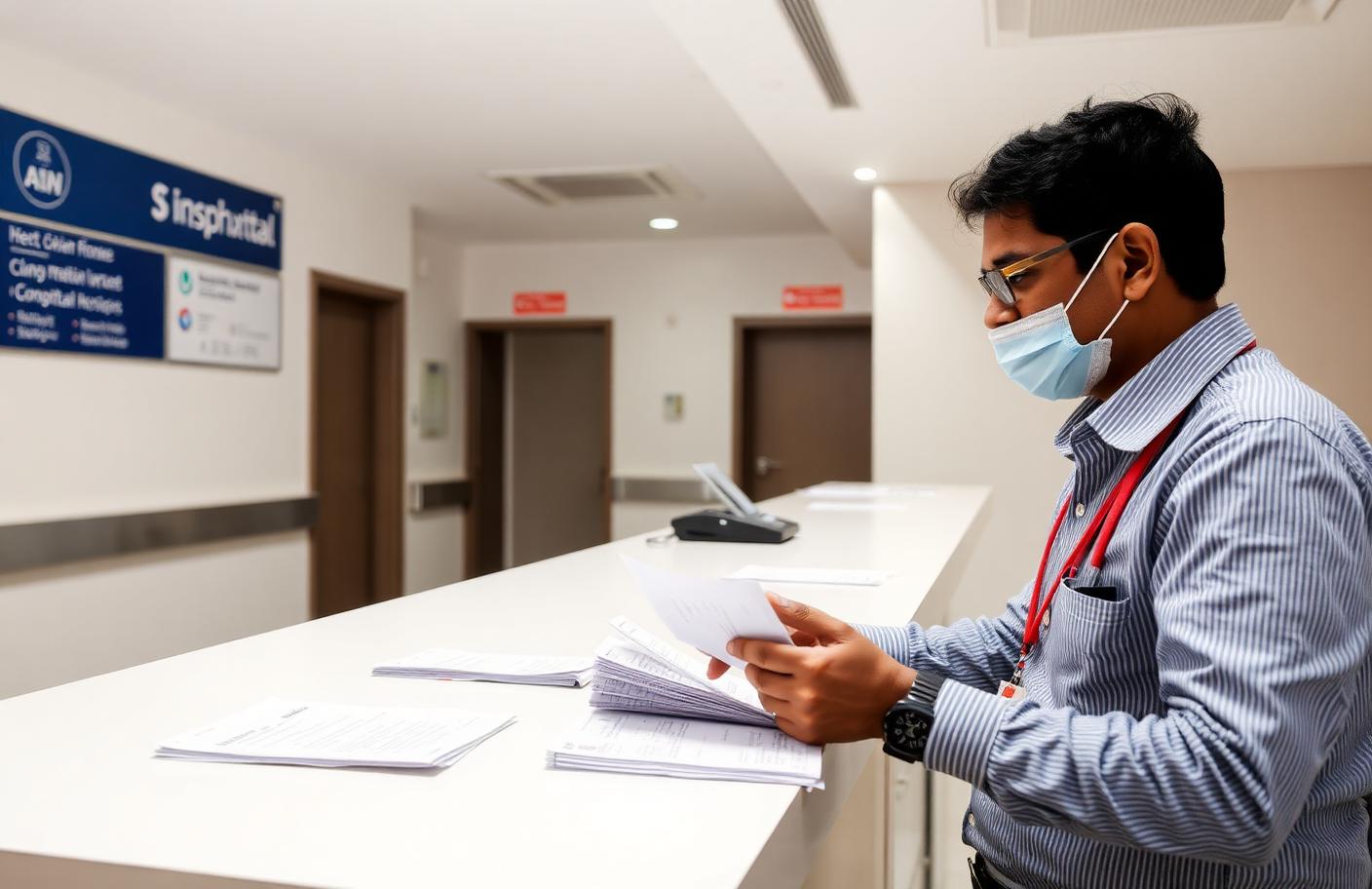
Build one master document set first
Almost every application asks for the same underlying evidence: registration and licences, infrastructure details, bed strength, specialities offered, doctor credentials, tariff structure, bank details and quality certifications where available.
Preparing one accurate, internally consistent master set before filing anything is what makes it possible to run twenty-five applications without twenty-five separate rounds of clarifications.
Expect the process to run in parallel, not in sequence
Waiting for one approval before starting the next application stretches the timeline out over a year. Filing in parallel means the review cycles overlap, and the hospital reaches useful coverage far sooner.
A coordinated process of this kind is typically targeted at 25-30 empanelments within about two to three months, though the final decision in every case belongs to the insurer or TPA.
Tariff discussion is part of the application, not an afterthought
The rates agreed at empanelment determine what the hospital is paid for years afterwards. Rates should be prepared with the actual cost of delivering each package in mind, and reviewed against the facility's speciality mix rather than accepted as a template.
Follow-up is where most applications are lost
Applications stall over small clarifications — a missing annexure, an unclear tariff line, an expired licence copy. Nobody chases the hospital about it. Tracking each application by name, date and pending item, and responding quickly, is the difference between empanelment in months and empanelment never.
Empanelment is the start of the operational work
Once approved, the hospital needs a functioning desk to handle pre-authorisation, query response, discharge summaries and claim submission. Approval without an operating desk simply moves the problem from the application stage to the claims stage.